
Does a Partial Stage Help Sell My Home?
When people hear the word staging, they often imagine a fully furnished, magazine-ready home where every room is perfectly styled. While full staging certainly makes a powerful impact, it isn’t within every homeowner’s budget. The good news is that a partial stage can still dramatically improve how a home shows—and how quickly it sells.
There are two common ways a partial stage can work.
The first is when a home is completely empty. Empty homes can make rooms feel smaller, colder, or harder to understand. Buyers often struggle to picture how furniture fits or how the space is meant to function. By adding a few carefully chosen pieces—consoles, side tables, small chairs, artwork, decor, rugs, throw pillows and blankets, faux plants, or lighting—we can define spaces and soften their feel.
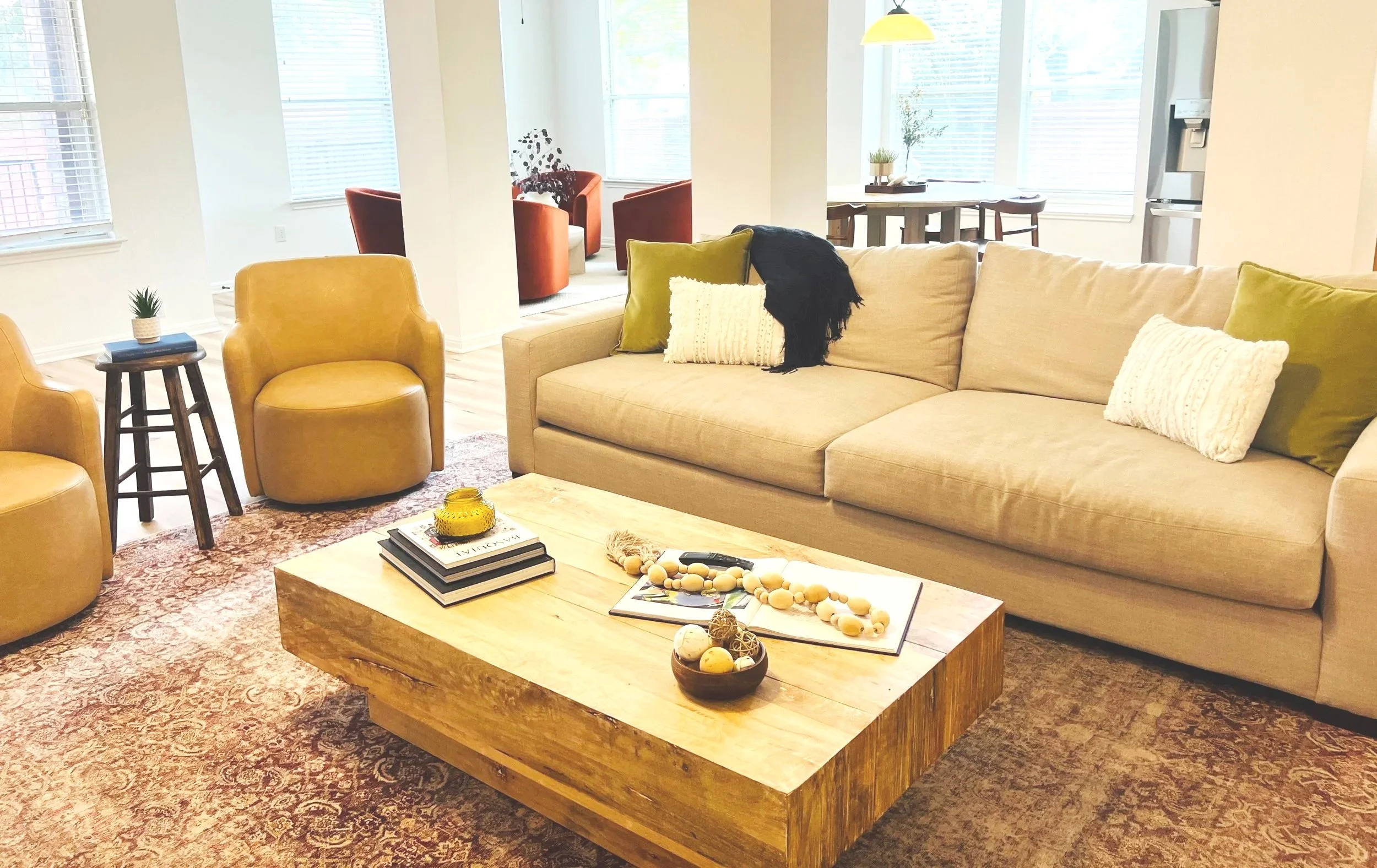
The second type of partial staging happens when a seller already has the main pieces of furniture in place, like a couch, dining table, and bed. In this case, the goal isn’t to replace what’s there, but to refine the space. We add modern touches with side tables, art, lighting, faux plants, throw pillows, blankets, rugs, and decor to help the room feel updated and intentional. These neutral, but current pieces help shift the focus away from the seller’s personal style and back to the home itself.
In both instances, a partial stage focuses on the areas that matter most to buyers and allows us to highlight the home’s best features. Maybe it’s a beautiful fireplace, large windows, or an open-concept living area. Strategic placement of small pieces of furniture, art, faux plants, and decor can guide the eye toward the strengths of the home.
The goal is simple: We want your home to feel intentional and welcoming.
Partial staging also helps create balance in listing photos, which are often the first place buyers see a property. Online images that feel warm and thoughtfully styled naturally draw more attention than empty rooms. The goal isn’t to overwhelm the home with decor, but to create just enough visual interest to help buyers pause, imagine, and schedule a showing.
At the end of the day, staging isn’t about decorating—it’s about helping buyers emotionally connect with a space. Even a small amount of thoughtful staging can transform a house from “empty” to “inviting.”
It only takes a few thoughtful touches to turn a house into a place someone can picture calling home.