
Virtual Staging vs. In-Home Staging: Are Your AI Images Over-Selling and Under-Delivering?
Virtual staging has become increasingly popular in real estate marketing — and it’s easy to see why. It’s fast, inexpensive, and allows empty rooms to appear furnished in online listings. For sellers looking to save money upfront, it can seem like an easy solution. Virtual staging can help generate clicks online, but that doesn’t translate into stronger offers or faster sales once buyers walk through the door. An AI image online can work great for marketing, but it’s not the best way to sell a home.
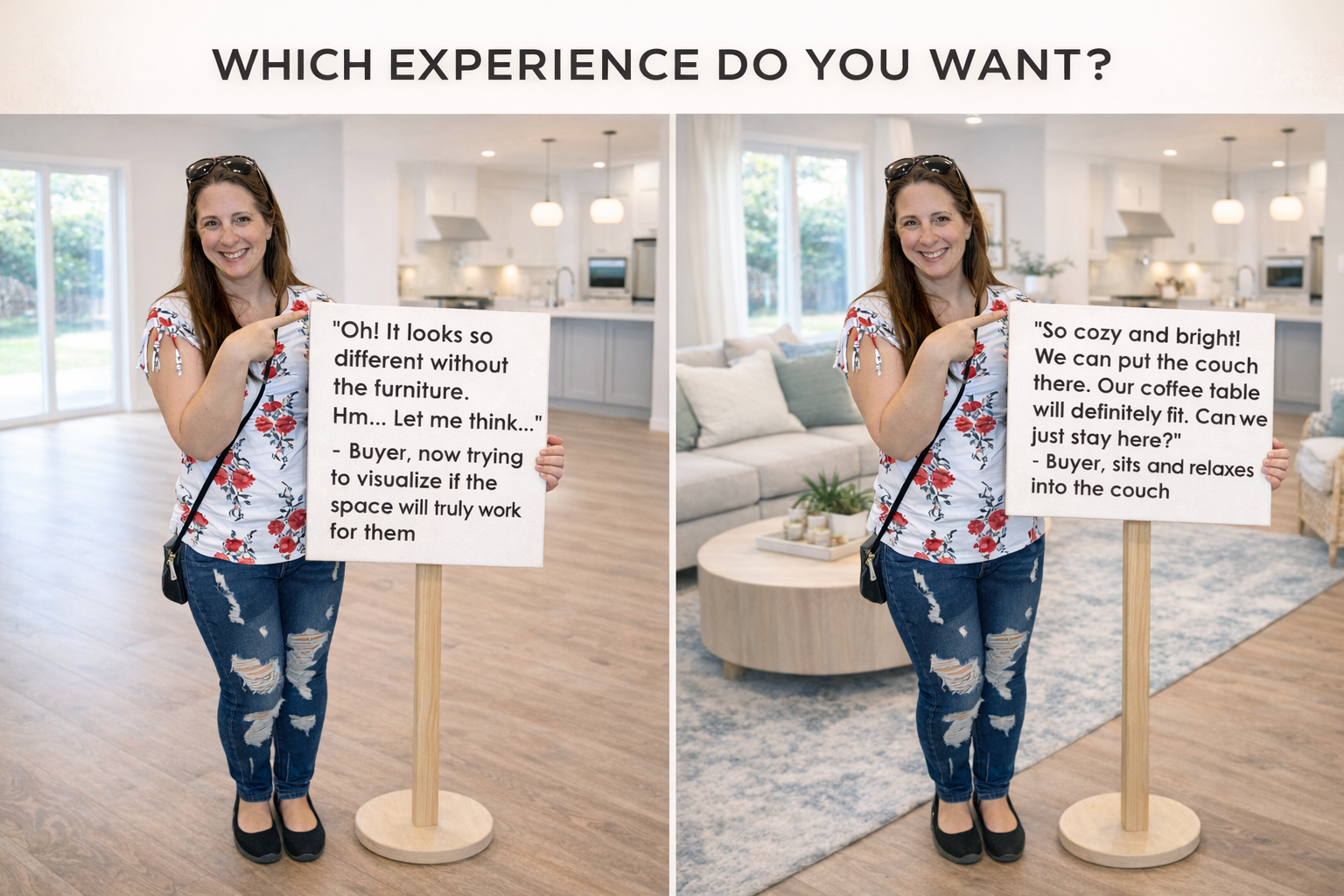
Online Interest vs. In-Person Experience
Today’s buyers almost always see a home online before they ever step inside. Virtual staging is designed for that first impression. The challenge is that buyers don’t purchase homes online. They purchase them in person.
When a buyer arrives expecting a furnished, warm, thoughtfully designed space and instead walks into empty rooms, the emotional experience changes instantly. Rooms can feel smaller, colder, or less functional than they appeared in photos. Instead of imagining themselves living there, buyers may feel disappointed or even misled.
Buyers often make decisions within minutes of entering a home. If the experience doesn’t match their expectations, many move on quickly — sometimes faster than they would have if the home had been presented honestly as vacant from the beginning.
In-home staging allows buyers to experience scale, flow, and functionality in real time. They can feel how furniture fits, how rooms connect, and how the home lives day to day.
The Emotional Gap
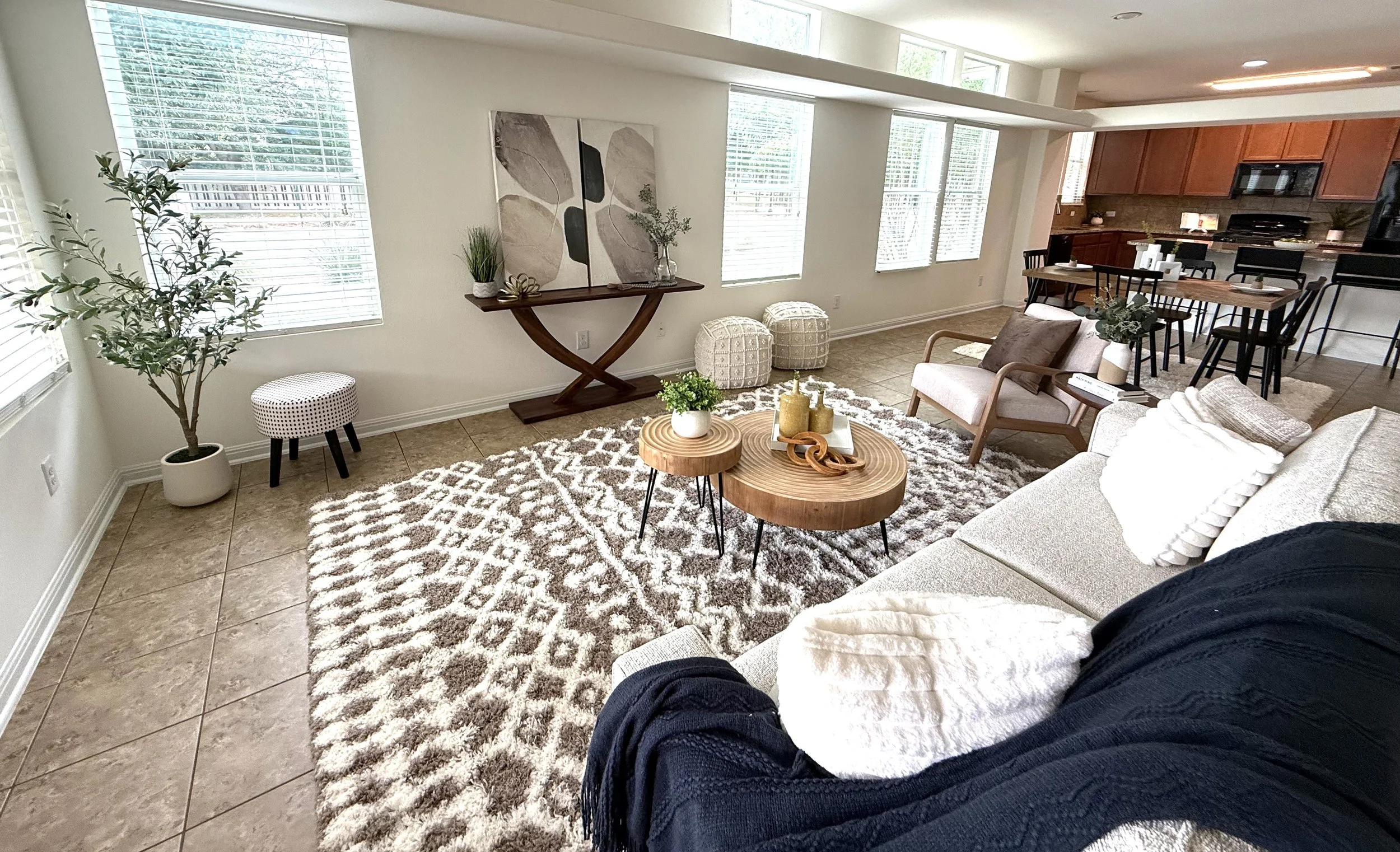
Homes sell emotionally first and logically second. Lighting, texture, scale, and comfort all play a role in how long buyers stay in a home and how positively they remember it afterward.
Virtual staging can create a beautiful image, but it can’t create atmosphere. It can’t soften acoustics, warm up a large room, or help buyers emotionally connect to the space during a showing.
When buyers linger, they connect. When they connect, they make offers.
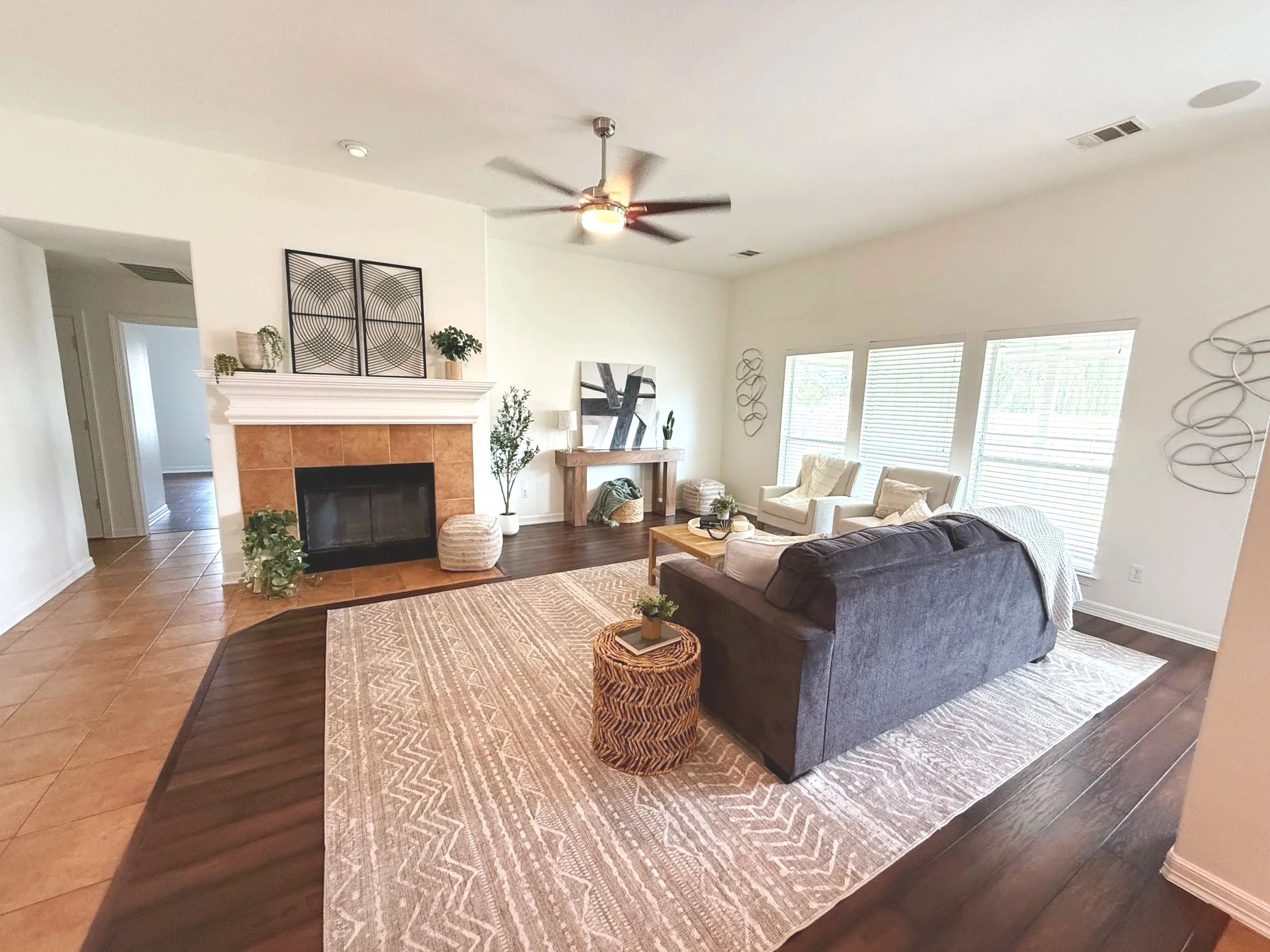
Imagine seeing a visual like this online…
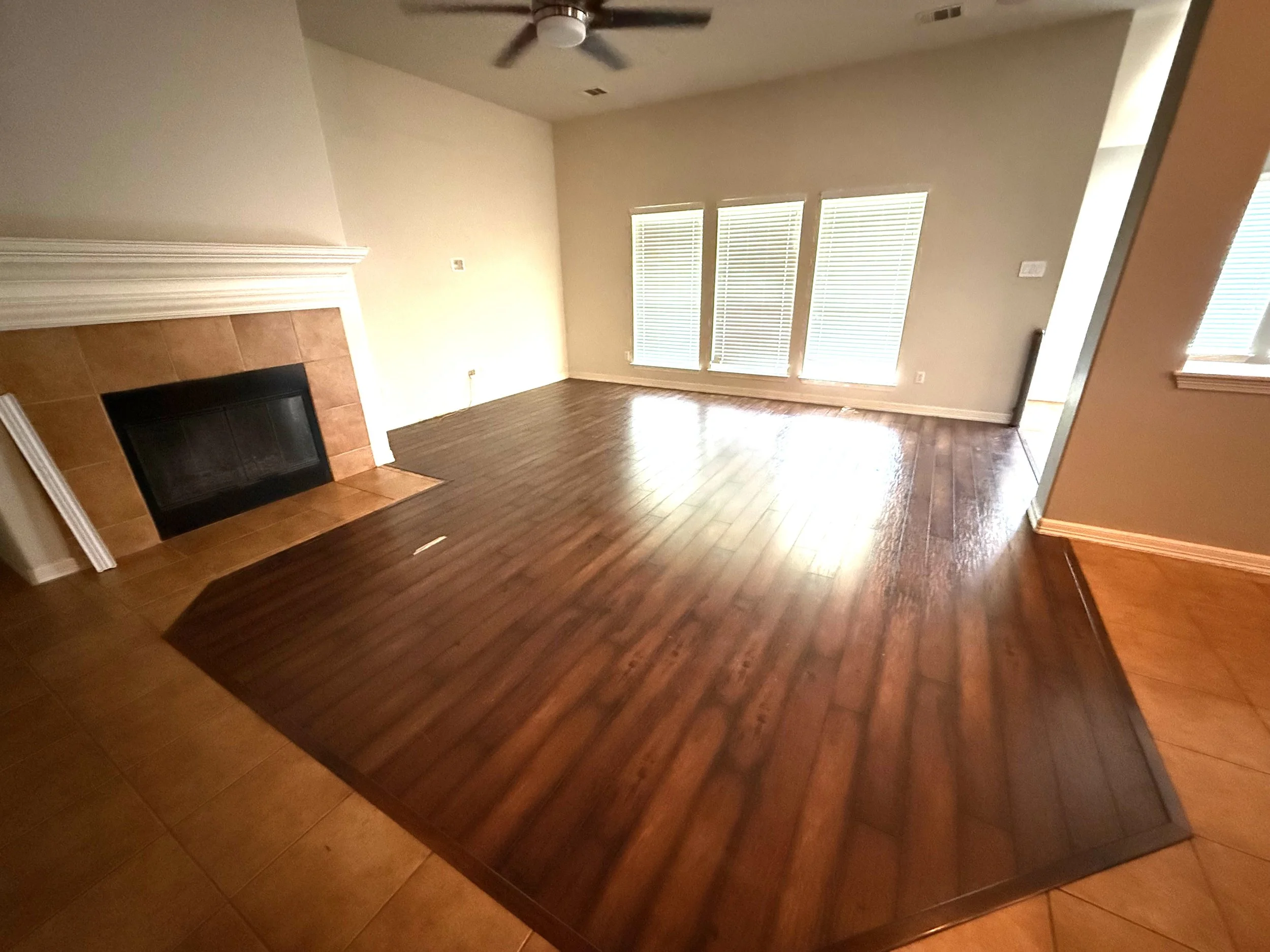
…and seeing this when you arrive at the property.
The End Goal Isn’t Clicks. It’s Offers.
The purpose of staging isn’t to make a home look good in photos. It’s to help buyers feel at home the moment they walk in the door. A consistent experience between online marketing and an in-person showing helps buyers picture their lives in the home.
The goal isn’t just getting buyers through the door.
It’s making them want to stay.